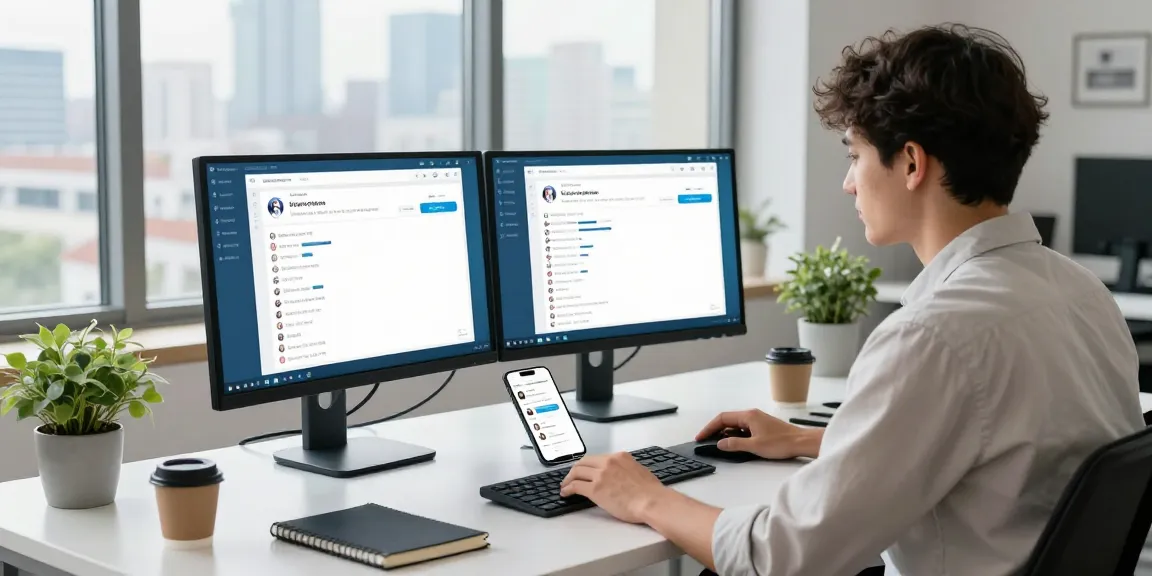
Understanding the Telegram Web Version
The evolving landscape of communication apps has seen Telegram rise as a popular choice, primarily due to its emphasis on privacy and functionality. One of its standout features is the Telegram网页版, which allows users to access their messages directly from a browser without needing to download the app. This is particularly advantageous for those who frequently switch between devices or for users who prefer not to install applications on their systems.
What is Telegram Web Version?
Telegram Web is an online interface for the popular messaging application, enabling users to send and receive messages in real-time directly through their web browser. It retains many of the essential features available in the Telegram mobile app, such as group chats, channels, and file sharing, while also offering a convenient alternative for desktop users. The web version is designed for speed and efficiency, providing an accessible platform for both personal and professional communication.
Benefits of Using Telegram Web Version
- Multi-Device Access: Users can easily switch between devices without losing their conversation history or context.
- Convenience: Accessing Telegram via a web browser eliminates the need to install additional software, making it quicker to start messaging.
- Resource Efficiency: The web version is lightweight and can run smoothly on older systems or low-powered devices.
- Easy File Sharing: Users can easily drag and drop files for sharing without hassle.
Harmless Myths about Telegram Web
Despite its popularity, several myths surround the use of Telegram Web. One common misconception is that it lacks security. In reality, Telegram Web implements robust encryption protocols similar to those of the mobile app. Another myth is that all features available on the app are absent in the web version; however, most major functionalities are present, albeit with slight limitations.
Key Features and Functionalities
Comparing Telegram Web Version K and Z
Telegram offers two main web versions: Web K and Web Z. While Web K is tailored to provide a lightweight experience with minimal system resource consumption, Web Z presents a more modern interface, often incorporating new features ahead of Web K. Both versions support essential functionalities, but users may find differences in interface aesthetics and speed depending on their chosen version.
Utilizing Bots and Channels on the Web
The integration of bots and channels within the Telegram Web environment is seamless. Users can participate in channels and interact with bots just like they would in the mobile app. This feature is particularly beneficial for businesses and content creators looking to engage their audience quickly and efficiently. Bots can automate tasks, provide instant responses, and offer interactive experiences, making them vital to the modern digital workflow.
File Sharing and Media Management
Telegram Web simplifies file sharing with its intuitive drag-and-drop functionality. Users can manage media files efficiently, posting images, videos, and documents directly in chats. The web version also enables users to create folders for better organization and to navigate through their files more easily, which is essential for those handling large volumes of data.
Getting Started with Telegram Web
How to Access Telegram Web Version?
Accessing Telegram Web is a straightforward process. Users simply need to visit web.telegram.org and log in with their Telegram account. The interface is user-friendly, allowing users to view their chats almost instantly.
Login Options: QR Code vs Phone Number
When logging into Telegram Web, users can choose between several methods: they can scan a QR code from their mobile device or enter their phone number to receive an authentication code. The QR code method is generally the quickest option and offers a convenient way to authenticate without entering passwords.
Setting Up Notifications and Privacy Settings
Once logged in, users should consider configuring their notification and privacy settings to enhance their experience. Notifications can be tailored to reduce distractions, and privacy settings can be adjusted to control who can contact them, ensuring a secure and efficient messaging experience.
Troubleshooting Common Issues
Resolving Login Problems
Login issues can occasionally arise when accessing Telegram Web. Common problems include failed authentication or connectivity errors. Users are encouraged to check their internet connection and ensure their mobile device is linked to the correct account. If issues persist, clearing the browser cache may resolve unauthorized access attempts.
Managing Synchronization Errors
Synchronization errors can lead to discrepancies between messages sent on mobile and web versions. Users experiencing this can resolve it by refreshing the web page or logging out and back in to reestablish a connection to the server.
Tips for Maintaining Security and Privacy
Maintaining security while using Telegram Web is paramount. Users should enable two-factor authentication on their accounts and be cautious when logging in from shared or public computers. Additionally, using incognito mode can enhance privacy during instances of accessing Telegram Web from unfamiliar devices.
Future Trends of Telegram Web
What to Expect in 2026 and Beyond
As we look at the future of Telegram Web, users can anticipate continued enhancements in performance and security features. The ongoing development focuses on improving user experience, particularly in terms of interface design and interactive capabilities.
Emerging Features and Enhancements
Future updates may include advanced functionalities such as improved media handling capabilities, richer integrations with third-party applications, and enhanced bot capabilities that can offer even more utility within the web environment. These enhancements are likely to expand the suitability of Telegram Web for both personal and professional users.
How User Feedback Shapes Development
Telegram values user feedback significantly, as it directly informs future updates and enhancements. By actively engaging with its user base, Telegram can pinpoint pain points and areas for improvement, driving a user-centric roadmap that prioritizes community needs.
What is the difference between Telegram WebK and Telegram WebZ?
The primary distinction between Web K and Web Z lies in their interface and resource consumption. Web K is more minimalist, while Web Z offers a richer user interface with advanced features that cater to a more tech-savvy audience.
How to open Telegram Web on Chrome?
Opening Telegram Web on Chrome is simple: navigate to web.telegram.org and follow the login prompts. Users can quickly access their messages by either signing in with a phone number or scanning a QR code.
Can I use Telegram Web without the app?
Yes, Telegram Web is designed to function independently of the mobile app, allowing users to access their messages and contacts directly from any web-enabled device. However, having the app installed may provide a more seamless experience, especially for synchronization.
What are the limitations of Telegram Web?
Despite its functionality, Telegram Web does have limitations. For example, it lacks support for Secret Chats, voice and video calls, and certain file types that may be available in the mobile app. Users should be aware of these limitations when relying solely on the web version.
Is Telegram Web secure for private messages?
Telegram Web offers a secure platform for messaging, utilizing end-to-end encryption for regular chats. However, users should remain cautious about entering sensitive information, particularly when accessing the web version on shared or public devices.